

Cape Verde

The Cape Verde Islands are also known as the 'Islands of the Blessed.' They owe this nickname to the fact that, based on their vegetation, they belong geographically to Macaronesia, which literally translates to 'Islands of the Blessed.' Cape Verde is located in the central Atlantic, off the west coast of Africa. The archipelago consists of ten islands, nine of which are inhabited. A distinction is made between the northern Windward Islands (Barlavento) and the southern Leeward Islands (Sotavento).
Santiago

Santiago is the largest of the Cape Verdean islands and is part of the Leeward Islands (Sotavento). It is renowned for its beaches and its vibrant blend of Portuguese and African culture. Furthermore, it played a major role during the era of the transatlantic slave trade. In Cidade Velha, the historic center of the town of Ribeira Grande, a marble pillory stands as a memorial to the site where enslaved people were once shackled. They were sold here before being shipped to Brazil and the Caribbean
Praia
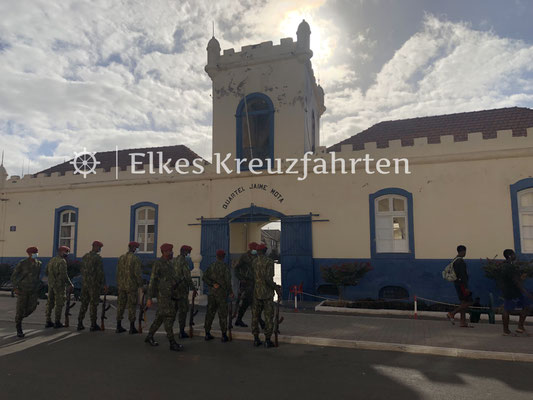
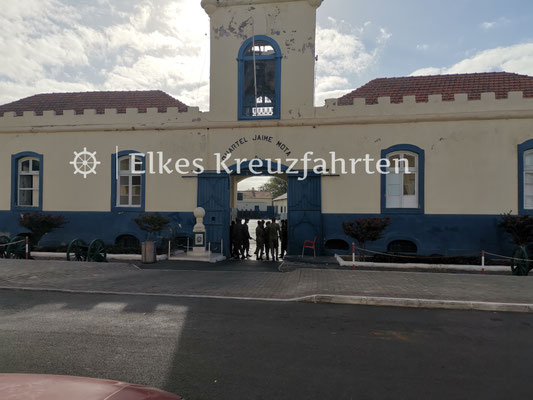
Quartel Jaime Morta
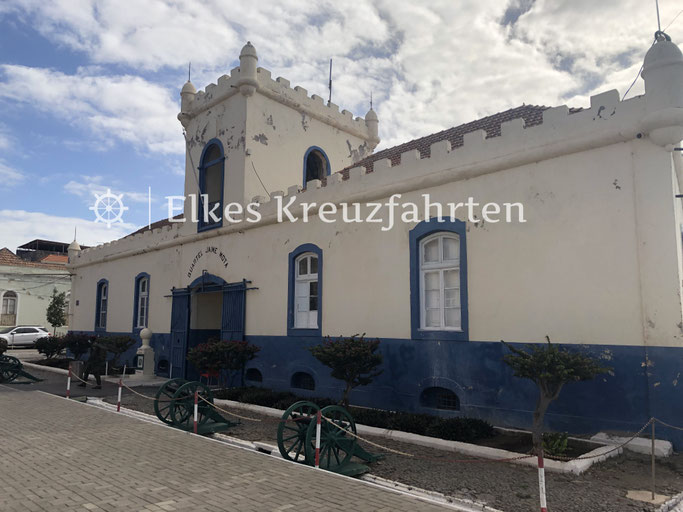
On the way to the Presidential Palace lies the Quartel Jaime Mota. It was built between 1823 and 1826 as a military academy. Between the 19th and 20th centuries, the building was expanded and modified. Following independence from Portugal, the barracks were named after Jaime Mota, a Cape Verdean freedom fighter who was killed during the War of Independence. The barracks were restored in 2012, and a portion was converted into a military museum. However, it continues to serve as a military academy.

Monumento de Diogo Gomes
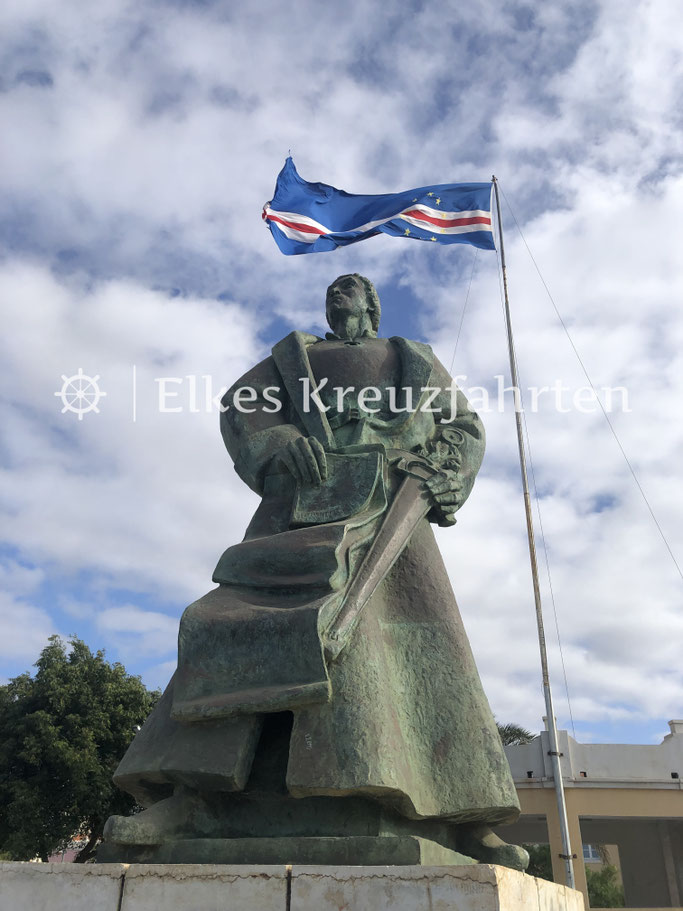
Perched on the Plateau overlooking the sea stands the Monument of Diogo Gomes. In 1455, the navigator was among the explorers who discovered the island. He was later sent to the court in Sintra to serve as a judge. In the chronicle he authored, Prince Henry the Navigator and his discoveries were the central focus. Today, this chronicle remains the only source describing the Portuguese rediscovery of the island
The Presidential Palace
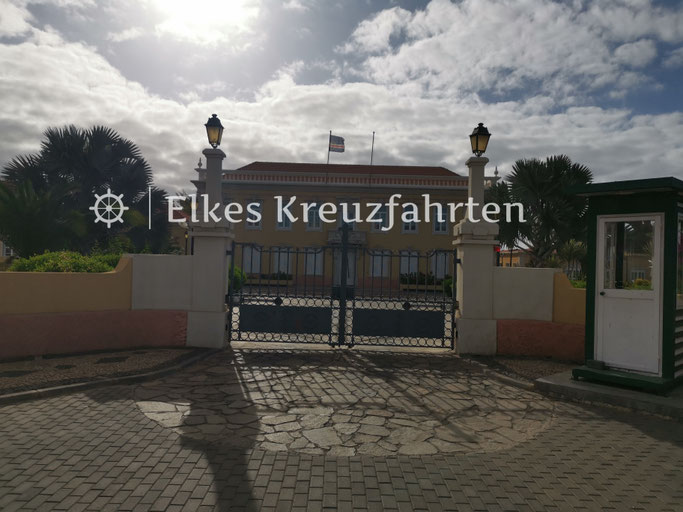
The Presidential Palace (Palácio Presidencial) is one of the most striking landmarks on the Plateau in Praia. This elegant neoclassical building was constructed in the late 19th century and originally served as the residence for the Portuguese governor. Following independence, it became the official seat of the President of Cape Verde. With its bright facade and manicured gardens, the palace stands as a significant testament to the country’s colonial and post-colonial history.
Praca Alexandre Albuquerque
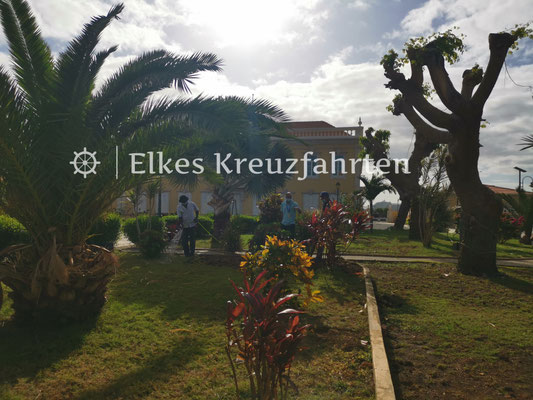
Praça Alexandre Albuquerque is the main square and the vibrant heart of the Plateau, Praia's historic center. Established in the early 19th century and formerly known as Praça do Pelourinho, it was renamed in honor of a Portuguese colonial governor. Today, this tree-lined square serves as a peaceful oasis, shaded by large mango and kapok trees. It is surrounded by some of the city's most important architectural landmarks, including the City Hall, the Palace of Justice, and the Pro-Cathedral of Our Lady of Grace. With its central fountain and charming benches, the square is a popular gathering spot for locals and a perfect place to observe the daily life of the capital.
Avenida 5 de Julho
Avenida 5 de Julho is the charming pedestrian zone and the most important shopping street on the Plateau in Praia. Named after the date of Cape Verde's independence (July 5, 1975), it reflects the pride and history of the country.
The street is known for its characteristic Portuguese pavement (Calçada Portuguesa) and the colorful facades of its colonial buildings. Urban life pulses here: numerous cafés, restaurants, small boutiques, and souvenir shops line the street. Especially in the late afternoon, the Avenida becomes a lively place where locals and visitors gather to stroll or enjoy the bustling atmosphere over a coffee.
Mercado de Sucupira
Mercado de Sucupira, located just below the Plateau in the Fazenda district, is the largest and most famous open-air market in Cape Verde. It is much more than just a place of trade; it is a sensory labyrinth and the economic heartbeat of the capital.
The market is renowned for its incredible variety: from traditional fabrics and handicrafts to clothing, household goods, and local delicacies, you can find almost anything here. In its narrow alleys, the scent of freshly prepared street food like pastéis mixes with the vibrant music echoing from the stalls. Sucupira is the perfect place to immerse yourself in the authentic daily life of Cape Verdeans and experience the lively energy of an African market firsthand.
After visiting the market, we walked along the shopping street once more and found a lovely magnet. Praia was a total contrast to Mindelo; the city is crowded and bustling. We felt we had seen enough and took the shuttle bus back to the harbor.
Stray dogs on the Cape Verde
There are countless stray dogs on the Cape Verdean islands. In Praia, they could be seen on truly every street corner. But unlike in other countries, the residents look after these dogs. At the harbor in Mindelo, we saw workers feeding them and giving them water. So, there are certainly worse places for a stray dog to live. Most of the time, they just lie around 'totally chilled out' and sleep, just like this one.
Cruiseportguide Praia
Here you will find information about the location of the port, public transportation, rental cars, and options for independent excursions.